Neuroplasticity: two neurons connecting one to one another
You’re Not “Stuck This Way”
Have you ever caught yourself reacting the same way over and over—feeling anxious, doubting yourself, or falling into an old habit—even when you know it is not serving you? It can easily feel like “this is just how my brain is wired.” Neuroplasticity shows something very different: your brain is constantly reshaping itself, and hypnotherapy is a powerful way to guide that change on purpose.[instituteofhypnotherapy]
What Is Neuroplasticity?
Neuroplasticity is your brain’s ability to reorganise, adapt, and form new neural connections throughout your life, not just in childhood. Every thought you repeat, emotion you feel, and behaviour you practice strengthens certain pathways, like walking the same trail through a forest until it becomes the obvious route.[mindhealthhypnotherapy.co]
The Spanish neuroscientist Santiago Ramón y Cajal, often called the “father of modern neuroscience,” helped establish the idea that neurons are individual cells that can change their connections over time. He poetically suggested that “any man could, if he were so inclined, be the sculptor of his own brain,” capturing the essence of neuroplasticity long before it became a buzzword.[pmc.ncbi.nlm.nih]
How Hypnotherapy Taps Into Neuroplasticity
Hypnotherapy works by guiding you into a focused, relaxed state where your conscious, analytical mind becomes quieter, and your subconscious patterns are more accessible. In this hypnotic state, your brain shows changes in attention, imagination, and emotion networks, creating ideal conditions for learning new responses and letting old ones soften.[thehypnosisclinic]
Because neuroplasticity is driven by repetition and focused attention, hypnotherapy is a natural match. Suggestions, imagery, and rehearsal of new behaviours during hypnosis give your brain clear, emotionally charged experiences to wire in as new “default” pathways.[lcchasia]
From Old Patterns to New Pathways
Many struggles—like anxiety spirals, self-sabotage, people-pleasing, or procrastination—are not personality flaws; they are learned patterns your nervous system has practised many times. Over time, these patterns become well-worn neural routes, so your brain runs them automatically, even when you consciously want something different.[atlantahypnotherapyclinic]
In hypnotherapy, you work directly with these patterns at the subconscious level. Through targeted suggestions and guided imagery, you rehearse new responses—calm instead of panic, self-compassion instead of harsh self-criticism, empowered action instead of avoidance—so your brain can strengthen fresh pathways and let old ones fade.[instituteofhypnotherapy]
A Simple Example: Rewiring an Anxiety Loop
Imagine someone whose body automatically tenses, heart races, and thoughts spiral every time they get a work email from a manager. Consciously, they know it is “just an email,” but their nervous system reacts as if there is danger. Over time, this creates a loop: trigger → anxiety → more fearful thoughts → more anxiety.[hypnotherapy-directory.org]
In neuroplasticity-focused hypnotherapy, that person might be guided into a deeply relaxed state and invited to imagine receiving an email while feeling grounded, safe, and capable. Together, therapist and client install new associations in the subconscious: email = calm body, steady breath, clear thinking, and a sense of inner resourcefulness, and repeated sessions plus self-hypnosis embed this new pattern so it starts to become the brain’s new default.[inspiredmindset.com]
What This Means for You
Neuroplasticity means your brain is not fixed, and neither are your patterns. Even long-standing habits, beliefs, or emotional reactions can be reshaped when you give your brain the right conditions and experiences. Hypnotherapy provides a focused, supportive way to do exactly that—working with your subconscious rather than fighting against it, so change feels more natural and sustainable.[hollystonehypnotherapy.co]
If you feel “wired” for anxiety, self-doubt, or stuckness, remember: those are patterns, not your identity. Your brain can change, and with the right guidance, you can become—as Cajal suggested—the sculptor of your own mind and the author of new, healthier neural pathways.[goodreads]
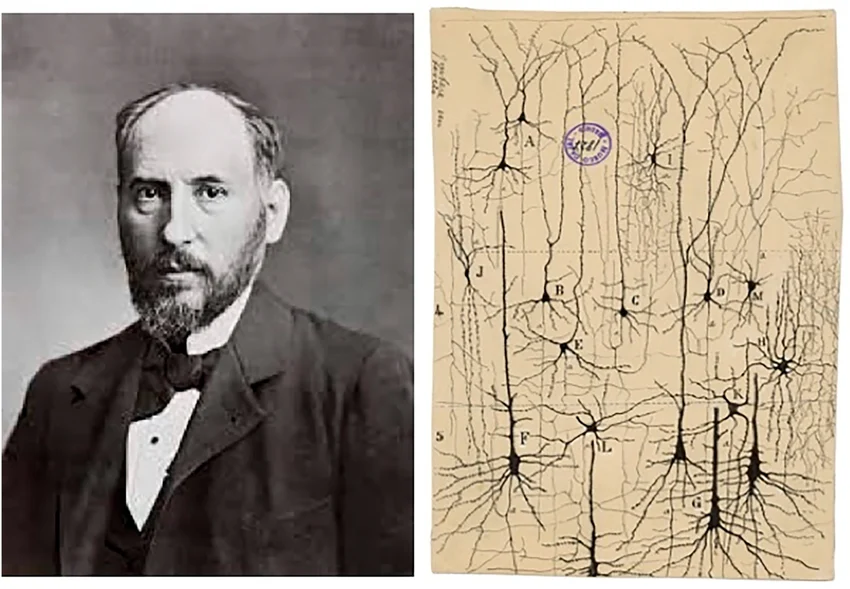
Santiago Ramón y Cajal
“Every man can, if he so desires, become the sculptor of his own brain.”